
Science-Backed Benefits for Memory and Focus
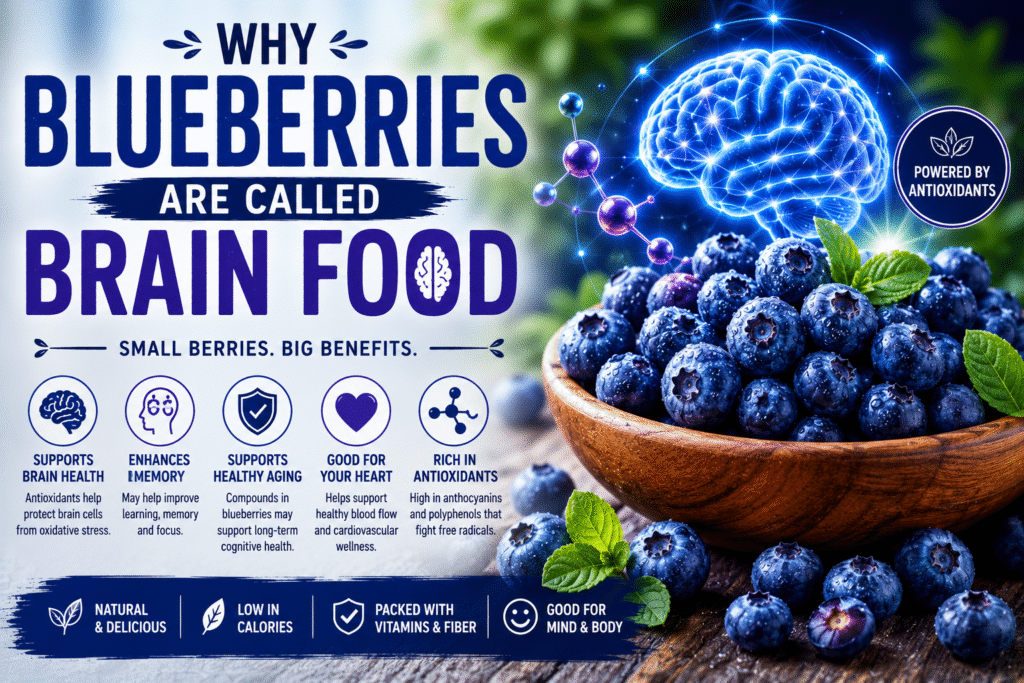
Blueberries have earned a reputation as one of the healthiest fruits on the planet. But have you ever wondered why blueberries are called brain food? The answer lies in their impressive nutritional profile and the growing body of research linking blueberries to improved cognitive function, memory, and overall brain health.
From students preparing for exams to older adults looking to maintain mental sharpness, blueberries are often recommended as a simple yet powerful addition to a healthy diet. Let’s explore the science behind why blueberries are called brain food and how they can benefit your brain.
Why Blueberries Are Called Brain Food
The primary reason why blueberries are called brain food is their high concentration of antioxidants, particularly compounds known as anthocyanins. These natural plant chemicals give blueberries their deep blue color and help protect the body from oxidative stress.
Oxidative stress occurs when harmful molecules called free radicals damage cells, including brain cells. Over time, this damage can contribute to cognitive decline and age-related memory problems. The antioxidants found in blueberries help neutralize free radicals and may protect brain cells from premature aging.
Blueberries and Memory Improvement
Several studies suggest that regular blueberry consumption may support memory and learning. Researchers believe that the antioxidants in blueberries improve communication between brain cells and reduce inflammation in brain tissue.
Better communication between neurons can enhance the brain’s ability to process and store information. This is one reason many nutrition experts recommend blueberries as part of a brain-healthy diet.
How Blueberries Support Focus and Cognitive Function
In addition to supporting memory, blueberries may help improve concentration and mental performance. The nutrients found in blueberries promote healthy blood flow throughout the body, including the brain.
When the brain receives adequate oxygen and nutrients through improved circulation, cognitive functions such as attention, problem-solving, and decision-making may perform more efficiently. This makes blueberries a popular snack among students and professionals alike.
Nutrients That Make Blueberries a Brain Superfood
Blueberries contain several nutrients that contribute to brain health, including:
- Vitamin C
- Vitamin K
- Manganese
- Dietary fiber
- Anthocyanins
- Flavonoids
These nutrients work together to support overall wellness while helping maintain healthy brain function.
Can Blueberries Help Prevent Cognitive Decline?
While no single food can completely prevent cognitive decline, research suggests that diets rich in fruits and vegetables may help support long-term brain health. Blueberries are frequently highlighted because of their exceptionally high antioxidant content.
Some studies have found that people who regularly consume berries may experience slower rates of age-related cognitive decline compared to those who consume fewer antioxidant-rich foods.
Easy Ways to Add More Blueberries to Your Diet
Adding blueberries to your daily routine is simple and delicious. Consider these ideas:
- Blend them into smoothies.
- Add them to oatmeal or yogurt.
- Toss them into salads.
- Use them in healthy muffins.
- Enjoy them as a quick snack.
Fresh and frozen blueberries both offer valuable nutritional benefits.
Final Thoughts
Now that you understand why blueberries are called brain food, it’s easy to see why they are often considered one of nature’s best foods for cognitive health. Their powerful antioxidants, vitamins, and plant compounds may support memory, focus, and long-term brain function.
While blueberries are not a magic solution, incorporating them into a balanced diet can be a smart step toward supporting overall wellness and maintaining a healthy brain. Combined with regular exercise, quality sleep, and a nutrient-rich diet, blueberries can play a valuable role in promoting lifelong cognitive health.