
Introduction
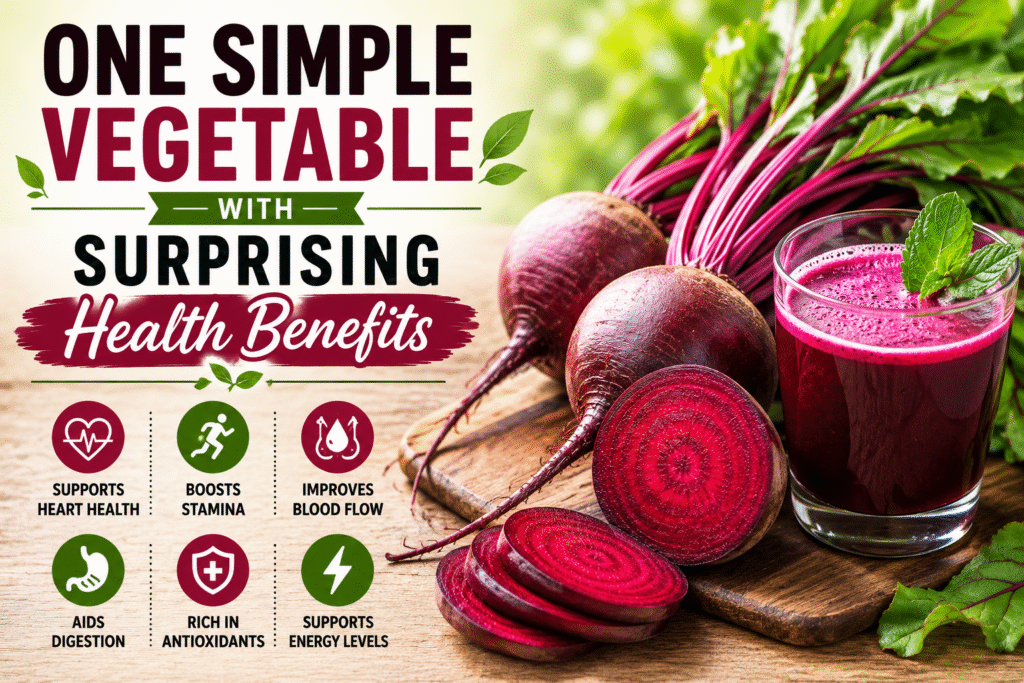
Some of the healthiest foods are often the simplest. Beetroot may not receive as much attention as trendy superfoods, but it offers an impressive range of nutritional benefits. Known for its deep red color and earthy flavor, beetroot is packed with vitamins, minerals, antioxidants, and plant compounds that support overall health.
Whether eaten raw, roasted, juiced, or added to salads, beetroot can be a valuable addition to a balanced diet.
Packed with Essential Nutrients
Beetroot provides a variety of nutrients while remaining relatively low in calories.
Some of its key nutrients include:
- Folate
- Potassium
- Iron
- Vitamin C
- Fiber
- Antioxidants
These nutrients help support energy production, circulation, and overall wellness.
Supports Heart Health
One of beetroot’s most recognized benefits is its support for cardiovascular health.
Beetroot contains naturally occurring nitrates, which the body converts into nitric oxide. This compound helps blood vessels relax and widen, supporting healthy blood flow.
Healthy circulation is important for maintaining overall cardiovascular function.
May Improve Exercise Performance
Beetroot is popular among athletes because of its nitrate content.
Research suggests that dietary nitrates may help improve oxygen efficiency during physical activity. This can support endurance and make exercise feel less demanding.
For this reason, beetroot juice is commonly consumed before workouts and sporting events.
Promotes Healthy Digestion
Beetroot contains dietary fiber, which helps support digestive health.
Fiber contributes to:
- Regular bowel movements
- Healthy gut bacteria
- Improved digestive comfort
- Better overall gut function
Including fiber-rich vegetables in your diet is an important part of maintaining digestive wellness.
Rich in Antioxidants
The vibrant color of beetroot comes from compounds called betalains.
These antioxidants help protect cells from oxidative stress and contribute to the vegetable’s reputation as a nutrient-rich food.
Antioxidant-rich foods play an important role in supporting long-term health.
Supports Healthy Energy Levels
Beetroot contains nutrients such as iron and folate that help support normal energy production.
While it is not a replacement for medical treatment of nutrient deficiencies, including nutrient-dense foods like beetroot can help support a balanced and healthy diet.
Easy Ways to Enjoy Beetroot
There are many simple ways to add beetroot to your meals:
- Roast it as a side dish
- Add it to salads
- Blend it into smoothies
- Drink beetroot juice
- Include it in grain bowls
Its versatility makes it easy to enjoy regularly.
Conclusion
Beetroot proves that simple vegetables can deliver impressive health benefits. From supporting heart health and circulation to aiding digestion and providing valuable nutrients, this colorful root vegetable deserves a place in a healthy diet.
Adding beetroot to your meals is an easy way to increase your intake of beneficial nutrients while enjoying a naturally flavorful food.