
Introduction
Some foods quietly sit on our plates without getting much attention. Mushrooms are a perfect example. Often added to pizzas, salads, soups, and stir-fries, they’re usually appreciated for their flavor rather than their nutrition.
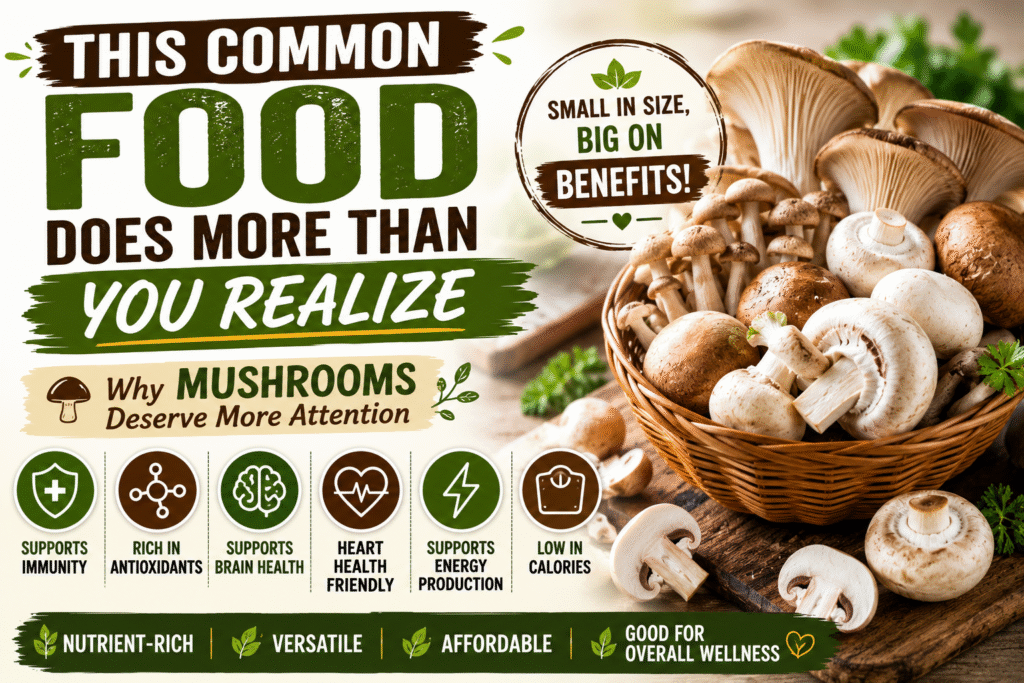
However, this common food does more than you realize. Mushrooms contain a variety of vitamins, minerals, antioxidants, and beneficial compounds that support multiple aspects of health. From immune support to brain function and heart health, these humble fungi offer far more than most people expect.
Let’s explore why mushrooms deserve a place in a healthy diet.
Mushrooms Are Rich in Important Nutrients
Despite being low in calories, mushrooms provide an impressive range of nutrients.
They contain:
- B vitamins
- Selenium
- Potassium
- Copper
- Antioxidants
- Fiber
These nutrients help support energy production, cell function, and overall wellness.
Supports a Healthy Immune System
One reason mushrooms stand out is their ability to support immune health.
Mushrooms contain compounds that help the body’s natural defense systems function effectively. They also provide antioxidants that help protect cells from everyday stress.
Including nutrient-rich foods that support immunity can be beneficial year-round.
Provides Powerful Antioxidants
Antioxidants help protect cells from damage caused by free radicals.
Mushrooms contain unique antioxidants that contribute to:
- Cellular protection
- Healthy aging
- Overall wellness
- Long-term health support
These protective compounds are one reason mushrooms are often included in healthy eating patterns.
Supports Brain Health
Another reason this common food does more than you realize is its potential role in supporting cognitive wellness.
Mushrooms contain nutrients that contribute to normal brain function and may help support overall neurological health as part of a balanced diet.
While no single food guarantees better brain performance, nutrient-rich choices play an important role in long-term wellness.
May Support Heart Health
Mushrooms naturally contain potassium, fiber, and beneficial plant compounds.
These nutrients help support:
- Healthy blood pressure levels
- Cardiovascular wellness
- Proper circulation
- Overall heart health
A heart-friendly diet often includes a variety of vegetables and fungi like mushrooms.
Helps Support Energy Production
The B vitamins found in mushrooms help the body convert food into usable energy.
This makes mushrooms a valuable addition to meals for people looking to support:
- Daily energy levels
- Metabolism
- Physical performance
- Overall vitality
Unlike heavily processed foods, mushrooms provide nutrition without excessive calories.
Naturally Low in Calories
One of the biggest advantages of mushrooms is that they are nutrient-dense while remaining low in calories.
This means you can add volume, texture, and nutrition to meals without significantly increasing calorie intake.
For this reason, mushrooms are often included in balanced meal plans.
Easy to Add to Your Daily Diet
Mushrooms are extremely versatile and can be used in many dishes.
Popular options include:
- Stir-fries
- Soups
- Omelets
- Salads
- Pasta dishes
- Grain bowls
- Roasted vegetable mixes
Their savory flavor makes them a favorite ingredient in many cuisines.
Why Nutrition Experts Appreciate Mushrooms
Nutrition professionals often recommend foods that provide multiple benefits in a simple package.
Mushrooms offer:
- Essential nutrients
- Antioxidants
- Immune support
- Heart-friendly compounds
- Low-calorie nutrition
These qualities make them one of the most underrated foods available.
Conclusion
Now you know why this common food does more than you realize. Mushrooms may look simple, but they provide valuable nutrients and compounds that support immunity, brain function, heart health, and overall wellness.
Affordable, versatile, and nutrient-rich, mushrooms are a smart addition to a healthy lifestyle and a food worth appreciating beyond its flavor.