
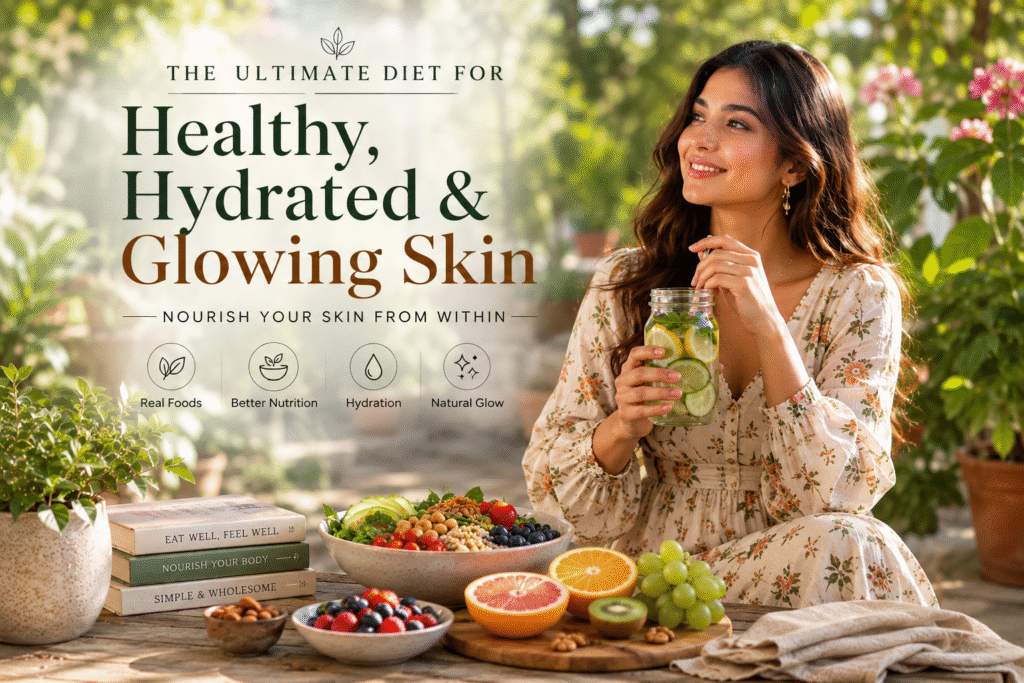
Healthy, glowing skin is often associated with expensive skincare products, but the truth is that great skin starts with what you eat. While cleansers, moisturizers, and sunscreens play an important role in protecting your skin, your daily diet supplies the nutrients your skin cells need to repair, regenerate, and maintain a healthy appearance.
Your skin is the largest organ in your body and constantly faces environmental stress from sunlight, pollution, changing weather, and natural aging. To remain healthy, it requires a steady supply of vitamins, minerals, antioxidants, healthy fats, protein, and water. A nutrient-rich diet helps strengthen your skin barrier, supports collagen production, reduces inflammation, improves hydration, and contributes to a natural glow that no cosmetic product can fully replicate.
Whether your goal is to reduce dryness, improve elasticity, brighten dull skin, or simply maintain a healthy complexion, the foods you choose every day can make a significant difference. In this guide, you’ll discover the essential nutrients for skin health, the best foods to include in your meals, foods to limit, and practical tips for creating a diet that nourishes your skin from within.
Why Nutrition Matters for Skin Health
Every skin cell in your body is built using nutrients obtained from food. As old cells are replaced with new ones, your body relies on protein, healthy fats, vitamins, and minerals to keep this process running efficiently.
A balanced diet can help:
- Maintain skin hydration.
- Support collagen and elastin production.
- Protect skin from oxidative stress.
- Reduce inflammation.
- Promote faster healing.
- Improve skin elasticity.
- Strengthen the skin barrier.
- Encourage an even skin tone.
Although there is no single “miracle food” for glowing skin, consistently eating nutrient-dense foods creates the ideal environment for healthier skin over time.
Essential Nutrients for Healthy Skin
Vitamin C
Vitamin C is one of the most important nutrients for skin health. It plays a key role in collagen production, helping maintain skin firmness and elasticity while protecting cells from free radical damage.
Good sources include:
- Oranges
- Guava
- Kiwi
- Strawberries
- Bell peppers
- Broccoli
Vitamin A
Vitamin A supports normal skin cell growth and renewal. Foods rich in beta-carotene are converted into vitamin A by the body.
Best sources include:
- Carrots
- Sweet potatoes
- Pumpkin
- Spinach
- Kale
Vitamin E
Vitamin E acts as an antioxidant and helps maintain the skin’s natural moisture barrier.
Include foods such as:
- Almonds
- Sunflower seeds
- Avocados
- Spinach
- Hazelnuts
Omega-3 Fatty Acids
Omega-3 fats support the skin barrier, helping reduce moisture loss while contributing to smoother-looking skin.
Excellent sources include:
- Salmon
- Sardines
- Mackerel
- Walnuts
- Chia seeds
- Flaxseeds
Zinc
Zinc contributes to healthy skin repair and supports normal immune function.
Rich sources include:
- Pumpkin seeds
- Lentils
- Chickpeas
- Cashews
- Lean beef
Protein
Protein provides amino acids required for collagen, elastin, and healthy skin tissue.
Choose:
- Eggs
- Chicken breast
- Fish
- Greek yogurt
- Cottage cheese
- Lentils
- Tofu
The 25 Best Foods for Healthy, Hydrated, and Glowing Skin
1. Avocados
Rich in healthy fats and vitamin E, avocados help support soft, moisturized skin.
2. Salmon
Packed with omega-3 fatty acids and protein, salmon helps strengthen the skin barrier.
3. Blueberries
Loaded with antioxidants that help protect skin from environmental damage.
4. Sweet Potatoes
High in beta-carotene, which supports healthy skin renewal.
5. Tomatoes
Contain lycopene, an antioxidant associated with protecting skin from sun-related oxidative stress.
6. Spinach
Provides vitamins A, C, and E along with iron and antioxidants.
7. Almonds
An excellent source of vitamin E and healthy fats.
8. Greek Yogurt
Supplies protein and probiotics that may support overall skin health through the gut-skin connection.
9. Walnuts
Offer omega-3 fats, zinc, and antioxidants.
10. Bell Peppers
One of the richest natural sources of vitamin C.
11. Cucumbers
Naturally high in water, making them an excellent hydrating food.
12. Oranges
Provide vitamin C for collagen production.
13. Kiwi
Contains abundant vitamin C and antioxidants.
14. Carrots
Rich in beta-carotene for healthy skin renewal.
15. Chia Seeds
Provide fiber, antioxidants, and plant-based omega-3 fats.
16. Flaxseeds
Help support skin hydration with healthy fats.
17. Eggs
Supply protein, biotin, and selenium.
18. Broccoli
Offers vitamins C, K, and beneficial plant compounds.
19. Watermelon
A refreshing fruit that contributes to hydration.
20. Pomegranate
Contains polyphenols that help protect skin cells.
21. Papaya
Rich in vitamins A and C, supporting healthy skin.
22. Green Tea
Provides catechins, antioxidants that help protect the skin.
23. Oats
Contain fiber, zinc, and beneficial nutrients that support overall wellness.
24. Olive Oil
A source of heart-healthy monounsaturated fats and vitamin E.
25. Dark Chocolate (70% Cocoa or Higher)
In moderation, dark chocolate provides antioxidants that may help support skin health.
Water-Rich Foods That Help Hydrate Skin
Hydration isn’t only about drinking water. Many fruits and vegetables naturally contain high amounts of water while also providing vitamins and minerals.
Excellent hydrating foods include:
- Cucumbers
- Watermelon
- Strawberries
- Celery
- Lettuce
- Tomatoes
- Zucchini
- Oranges
- Cantaloupe
Aim to drink enough fluids throughout the day while regularly including these foods in your meals.
Foods to Limit for Healthier Skin
Some foods may contribute to inflammation or make it harder to maintain an overall healthy diet when consumed in excess.
Consider limiting:
- Sugar-sweetened beverages
- Highly processed snacks
- Deep-fried foods
- Excess alcohol
- Processed meats
- Foods high in trans fats
Rather than eliminating foods entirely, focus on balance and moderation.
Sample One-Day Meal Plan for Healthy Skin
Breakfast
Greek yogurt with blueberries, chia seeds, almonds, and fresh strawberries.
Mid-Morning Snack
An orange with a handful of walnuts.
Lunch
Grilled salmon served with quinoa, spinach, cucumber, tomatoes, and olive oil dressing.
Afternoon Snack
Carrot and cucumber sticks with hummus.
Dinner
Grilled chicken breast with roasted sweet potatoes and steamed broccoli.
Evening Snack
Kiwi or papaya with a small serving of pumpkin seeds.
Lifestyle Habits That Complement a Healthy Diet
Nutrition works best when combined with healthy daily habits.
- Stay hydrated throughout the day.
- Get 7–9 hours of quality sleep.
- Exercise regularly.
- Wear sunscreen daily.
- Avoid smoking.
- Manage stress through relaxation techniques.
- Cleanse and moisturize your skin consistently.
Together, these habits help support healthy-looking skin over the long term.
Frequently Asked Questions
What is the best food for glowing skin?
There isn’t a single best food. A balanced diet rich in fruits, vegetables, healthy fats, lean proteins, and whole grains provides the nutrients your skin needs.
Which vitamin is most important for skin?
Vitamin C is essential because it supports collagen production, while vitamins A and E also contribute to healthy skin.
Does drinking more water improve skin?
Adequate hydration supports overall health and helps maintain normal skin function. Combining proper fluid intake with water-rich foods and a balanced diet is the most effective approach.
Are healthy fats good for skin?
Yes. Foods containing omega-3 fatty acids and monounsaturated fats help support the skin’s protective barrier and overall hydration.
How long does it take to notice dietary changes in skin?
Results vary from person to person, but consistent healthy eating over several weeks is more likely to produce noticeable improvements than short-term dietary changes.
Final Thoughts
Healthy, hydrated, and glowing skin is built through consistent daily choices rather than quick fixes. A diet rich in colorful fruits, vegetables, lean proteins, whole grains, healthy fats, nuts, seeds, and adequate hydration provides the nutrients your skin needs to repair, protect, and renew itself. Pairing these foods with good sleep, regular physical activity, stress management, and proper skincare creates a strong foundation for long-term skin health.
Instead of chasing the latest beauty trend, focus on nourishing your body with wholesome foods that support your skin from the inside out. Over time, these simple habits can help you achieve healthier, more radiant skin while also benefiting your overall well-being.