
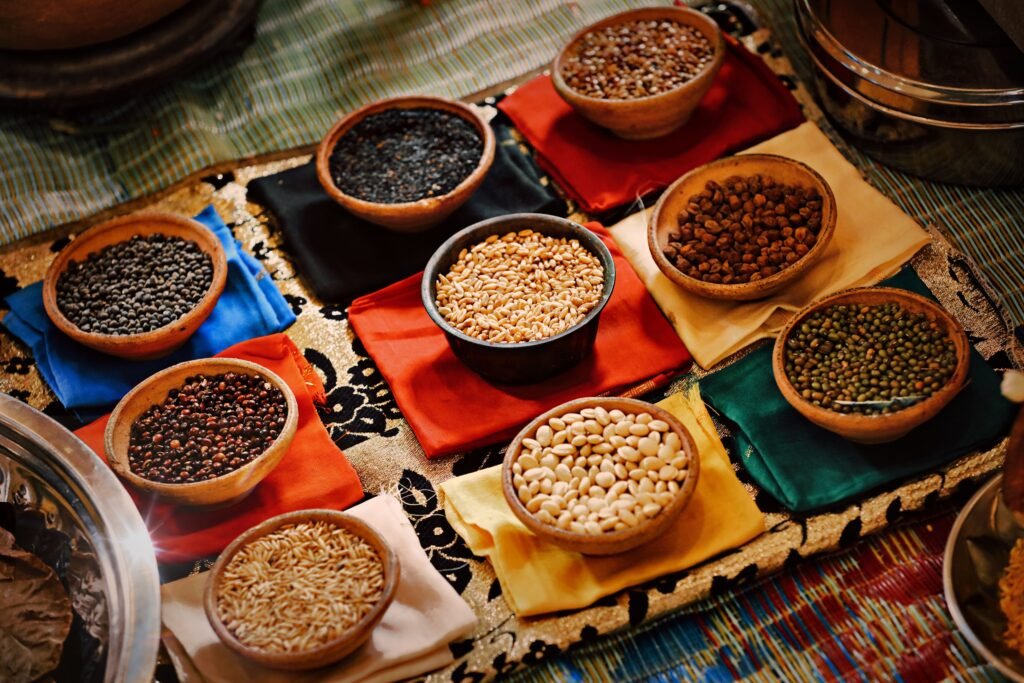
A good homemade cerelac recipe gives you full control over what actually goes into your baby’s first bowl of food. Store-bought infant cereals work well for many families, but plenty of parents prefer something fresher, with no added preservatives or sugar. The good news is that a homemade cerelac recipe is genuinely simple to make. It uses just a handful of pantry staples like rice, dal, and nuts. This guide walks through exactly how to prepare it safely for a 6-month-old.
Before we get into the recipe, a quick but important note. Every baby develops at a different pace, so always check with your pediatrician before starting solids, and again before trying any new homemade cerelac recipe or ingredient.
Is Your Baby Ready for a Homemade Cerelac Recipe?
Age alone does not tell the whole story here. The American Academy of Pediatrics recommends starting solids around 6 months, but only once your baby shows real signs of readiness. Look for good head and neck control. Your baby should be able to sit up with some support. Genuine interest in food, like watching you eat or reaching for your plate, is another strong signal.
If your baby was born premature, talk to your pediatrician about timing before trying any homemade cerelac recipe. Premature babies often need a slightly different schedule for starting solids.
Why Homemade Cerelac Recipe Options Are Gaining Popularity
Full Control Over Ingredients
A homemade cerelac recipe lets you skip added sugar, preservatives, and fillers entirely. You choose exactly what goes into the pot, down to the last grain of rice.
Naturally Budget-Friendly
Rice, lentils, and nuts are pantry staples in most Indian households already. As a result, a homemade cerelac recipe often costs far less than store-bought jars over time.
Easy to Customize as Your Baby Grows
You can adjust texture, thickness, and ingredients as your baby gets older. A homemade cerelac recipe made thin and smooth at 6 months can become thicker and chunkier by 8 or 9 months, growing right alongside your baby’s needs.
The Classic Homemade Cerelac Recipe
Ingredients
- 2 tablespoons rice, washed and dried
- 1 tablespoon moong dal (yellow lentils)
- 4 to 5 almonds
- 3 to 4 cashews
- 1 teaspoon ragi (finely ground millet), optional, for extra iron
- Water, breast milk, or formula, for cooking
Method
Dry roast the rice and moong dal separately in a pan on low heat until lightly golden and fragrant. Let everything cool completely. Grind the roasted rice, dal, almonds, cashews, and ragi together into a fine powder. Store this powder in an airtight container; it keeps well for a few weeks. When you are ready to serve, cook two tablespoons of the powder with water, breast milk, or formula until it reaches a smooth, thin consistency. Let it cool before offering it to your baby.
Making Your Homemade Cerelac Recipe Even More Nutritious
Boost Iron Absorption Naturally
Iron is one of the most important nutrients for babies starting solids, since natural iron stores from birth begin to run low around 6 months. Pairing your homemade cerelac recipe with a small amount of vitamin C, like a spoonful of mashed fruit, can help your baby absorb iron more effectively.
Add Other Iron-Rich Foods Too
A single homemade cerelac recipe should not carry your baby’s entire iron intake alone. Green leafy vegetables, dal, and ragi can all be introduced separately to round out your baby’s daily iron sources, alongside guidance from your pediatrician.
Important Safety Guidelines for Homemade Baby Food
A few non-negotiable rules matter here, regardless of which homemade recipe you choose. Never add honey to food for babies under 12 months, since it carries a risk of infant botulism. Skip added salt and sugar entirely for babies under one year old. Introduce one new ingredient at a time, and wait three to four days before adding another, so you can watch for any allergic reaction. If your baby shows signs of an allergy, such as rash, vomiting, or difficulty breathing, contact your pediatrician right away.
Final Thoughts
A homemade is a genuinely simple, affordable way to introduce your baby to solid food using ingredients you likely already have at home. It gives you control over quality without sacrificing nutrition, especially when paired with other iron-rich foods as your baby grows. Every baby is different, though, so use this recipe as a starting point rather than a strict rulebook, and keep your pediatrician in the loop as you go.