
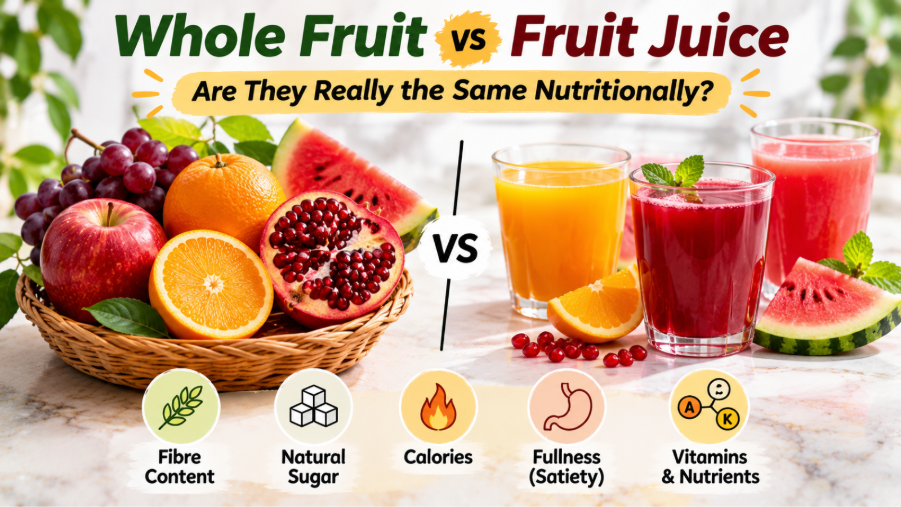
A glass of fresh orange juice in the morning might seem like the perfect healthy start to your day. After all, it’s made from fruit, contains vitamins and tastes refreshing. But when it comes to whole fruit vs fruit juice, would eating two whole oranges provide the same nutritional benefits as drinking a glass of orange juice?
The answer is not exactly.
Although whole fruits and fruit juices can contain similar vitamins and minerals, they differ significantly in fibre content, eating experience, sugar concentration and how filling they are. When you squeeze fruit to make juice, you change its physical structure and often remove much of its fibre.
The difference becomes particularly interesting when you compare everyday Indian favourites such as mosambi, watermelon, oranges, apples and pomegranates.
In this article, we’ll explore the nutritional differences between whole fruit and fruit juice, understand what happens to fibre during juicing and discover which option makes more sense for everyday health.
1. What Is the Difference
Between Whole Fruit and Fruit Juice?
Before comparing their nutritional value, let’s understand how these two forms differ.
Whole Fruits
Whole fruits are consumed in their natural form, including their edible flesh and skin where appropriate.
Examples include:
- Eating a whole orange instead of drinking orange juice.
- Eating a whole apple with its skin.
- Having watermelon slices instead of watermelon juice.
- Eating pomegranate seeds instead of extracting their juice.
Whole fruits provide dietary fibre, vitamins, minerals, antioxidants and natural sugars within their original food structure.
Fruit Juice
Fruit juice is produced by extracting liquid from fruits, usually through squeezing, pressing or mechanical juicing.
Depending on the preparation method, some pulp and fibre may be removed.
For example, when you squeeze an orange, you extract its juice but leave behind much of its pulp and structural material.
This changes how the fruit is consumed and how quickly you can consume its natural sugars.
The important distinction: Whole fruit provides nutrients along with its intact structure and fibre, whereas conventional fruit juice generally contains less fibre and is easier to consume in larger quantities.
2. Whole Fruit vs Fruit Juice: Nutritional Comparison
Let’s compare the two forms using some familiar nutritional factors.
| Nutritional factor | Whole fruit | Fruit juice |
| Dietary fibre | Generally higher | Usually lower |
| Natural sugars | Present within fruit structure | Present in extracted liquid |
| Vitamins | Good source | Can provide vitamins |
| Minerals | Good source | Can provide minerals |
| Antioxidants | Naturally present | Some are retained |
| Fullness | Generally more filling | Generally less filling |
| Calorie intake | Easier to control portions | Easier to consume larger quantities |
| Eating time | Requires chewing | Can be consumed quickly |
One important point: Freshly prepared juice without added sugar is not nutritionally equivalent to a sugar-sweetened soft drink. It can provide useful vitamins and plant compounds.
However, whole fruit generally has an advantage because it retains more of its natural fibre and structure.
The World Health Organization also recommends limiting free sugars, including sugars naturally present in fruit juices. World Health Organization
3. What Happens to Fibre When You Make Fruit Juice?
This is one of the biggest nutritional differences between eating fruit and drinking juice.
Dietary fibre is found in the structural parts of plants, including fruit flesh, cell walls and edible skins.
When you prepare juice using a conventional juicer or strainer, much of the solid material containing fibre is separated from the liquid.
Let’s take an apple as an example.
When you eat a whole apple:
- You consume its edible skin and flesh.
- You receive dietary fibre.
- You need to chew the fruit.
- The intact food structure contributes to fullness.
When you drink strained apple juice:
- Much of the pulp is removed.
- Fibre content is substantially reduced.
- You can consume the liquid quickly.
- You may need several apples to prepare one glass.
This is why eating an apple and drinking apple juice shouldn’t be considered identical nutritional choices.
What About Fruit Smoothies?
Smoothies are slightly different from conventional juices.
When you blend an entire edible fruit without straining it, most of its fibre remains in the drink.
However, blending breaks down the fruit’s original structure, and smoothies can be consumed more quickly than whole fruit.
So, if you’re choosing between whole fruit, strained juice and an unstrained smoothie, whole fruit is generally the best everyday option.
4. Does Fruit Juice Contain More Sugar Than Whole Fruit?
Not necessarily per 100 grams or millilitres, but the quantity you consume can make a significant difference.
Consider what happens when you prepare a glass of fresh orange juice.
You might need two or three oranges to produce one glass, depending on their size and juiciness.
When you eat one whole orange, you consume one fruit along with its fibre and natural structure.
When you drink a large glass of juice, you can consume the juice from multiple oranges within a few minutes.
This makes it easier to consume more natural sugar and calories without feeling equally full.
There is another important distinction:
- Sugar naturally present inside intact whole fruit is generally classified as intrinsic sugar.
- Sugar naturally present in fruit juice is classified as free sugar under WHO guidance.
- Sugar added to packaged juice is an additional concern.
This doesn’t mean that natural fruit juice is automatically unhealthy. It means its portion size and frequency deserve attention.
5. Five Indian Fruits: Whole Fruit vs Fruit Juice
Let’s look at some popular Indian fruits and understand why eating them whole is generally preferable.
1. Orange vs Orange Juice
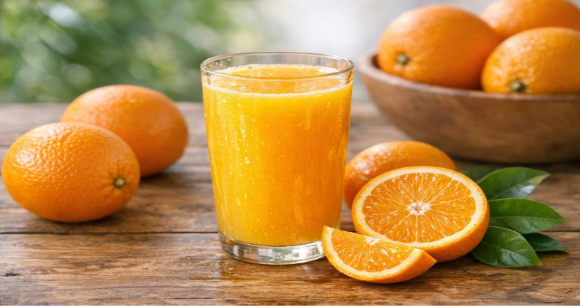
Oranges provide vitamin C, fibre and various plant compounds.
Eating a whole orange allows you to consume its pulp and edible internal membranes.
When you squeeze it, some of the fibre remains in the discarded pulp.
Better everyday choice: Eat the whole orange.
2. Watermelon vs Watermelon Juice
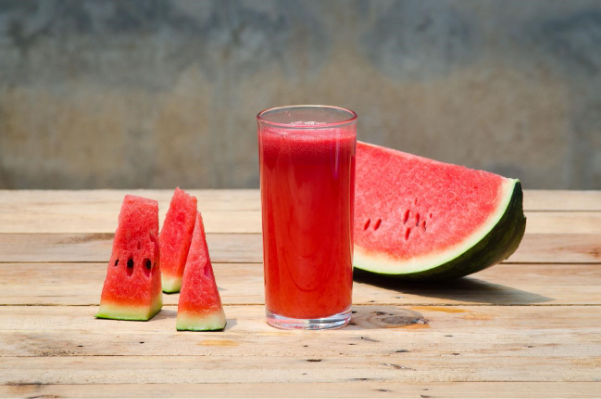
Watermelon contains a high proportion of water and provides vitamin C, carotenoids and other plant compounds.
Eating watermelon slices also requires chewing and provides some dietary fibre.
Juicing makes it easier to consume a larger quantity of watermelon quickly.
Better everyday choice: Eat fresh watermelon pieces.
3. Apple vs Apple Juice
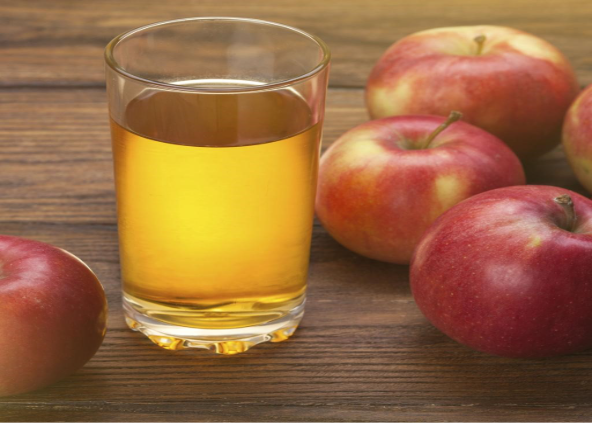
Apples contain soluble fibre, particularly pectin, which is associated with several digestive and metabolic benefits.
Eating an apple with its properly washed skin provides more fibre than drinking strained apple juice.
Better everyday choice: Eat a whole apple with its skin.
4. Pomegranate vs Pomegranate Juice
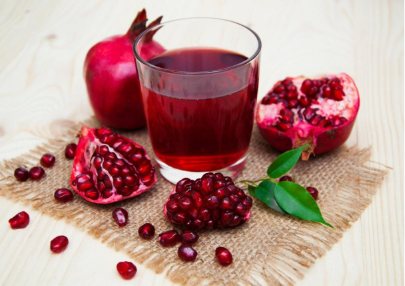
Pomegranate contains polyphenols and other beneficial plant compounds.
Eating the seeds and their juicy outer portions provides fibre that is reduced when the fruit is processed into strained juice.
Better everyday choice: Eat the pomegranate arils.
5. Mosambi vs Mosambi Juice
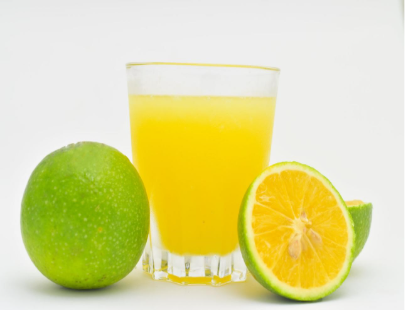
Mosambi is a popular citrus fruit in India, particularly during warmer months.
It provides vitamin C and other nutrients.
However, when you extract its juice and discard the pulp, you lose much of the fibre.
Better everyday choice: Eat the fruit when practical, rather than routinely replacing it with juice.
6. Which Is Better for Weight Management?
If your goal is weight management, whole fruit generally has an advantage.
Why?
Because whole fruits typically require more chewing and provide more fibre, which can contribute to fullness.
Fruit juice is easier to consume quickly, making it possible to take in the calories from several fruits without experiencing the same level of fullness.
For example:
Imagine having a whole apple as an afternoon snack.
Compare that with drinking a large glass of apple juice prepared using multiple apples.
The second option may provide more calories and sugar, depending on the quantity used, while providing less fibre.
This doesn’t mean you must completely eliminate fruit juice to manage your weight.
Instead:
- Prefer whole fruits for regular snacks.
- Avoid oversized juice portions.
- Don’t add sugar or syrups.
- Include fruit as part of a balanced meal plan.
- Pay attention to your overall calorie intake.
Remember: No individual fruit or juice automatically causes weight gain or weight loss. Your overall eating pattern matters.
7. Is Fresh Homemade Juice Better Than Packaged Fruit Juice?
Homemade juice and packaged fruit juice are not necessarily the same.
Let’s understand the differences.
| Factor | Homemade fresh juice | Packaged fruit juice |
| Preparation | Made from fresh fruit | Manufactured and processed |
| Added sugar | Can be avoided | Depends on product |
| Fibre | Depends on straining | Usually low in conventional juice |
| Preservatives | Usually none added | Depends on product and processing |
| Nutrients | Can provide vitamins | Can provide vitamins |
| Storage | Best consumed soon after preparation | Usually has a longer shelf life |
A homemade juice prepared without added sugar can be a better option than a sweetened fruit drink.
However, homemade juice is still not equivalent to eating whole fruit.
When purchasing packaged beverages, distinguish between:
- 100% fruit juice.
- Fruit nectar.
- Fruit drinks.
- Fruit-flavoured beverages.
These products can have very different fruit contents and nutritional profiles.
Always read the ingredient list and nutrition information instead of relying only on the words printed on the front of the package.
8. Kitchen Experiment: How Much Fruit Goes Into One Glass of Juice?
Here’s a simple experiment you can conduct at home to understand the difference between eating fruit and drinking juice.
Materials Required
- 3 medium oranges.
- 2 apples.
- 2 slices of watermelon.
- A juicer or manual citrus squeezer.
- A kitchen weighing scale.
- Three transparent glasses.
- A strainer.
- Three small bowls.
Experiment Procedure
Step 1: Weigh the fruits
Record the weight of each fruit before cutting it.
Step 2: Separate the portions
Keep one portion for eating whole and another for preparing juice.
Step 3: Prepare the juice
Extract the juice from the remaining portions. Don’t add water, sugar or honey.
Step 4: Separate the pulp
For conventional strained juice, collect the pulp separately.
Step 5: Compare the results
Measure the amount of juice obtained and weigh the leftover pulp.
Observation Table
| Fruit | Original weight | Juice obtained | Pulp remaining |
| Orange | Record | Record | Record |
| Apple | Record | Record | Record |
| Watermelon | Record | Record | Record |
What Can You Learn?
This experiment demonstrates three important things:
- A considerable amount of fruit may be required to prepare one glass of juice.
- Straining separates much of the solid material from the liquid.
- The quantity of juice you drink may represent several fruit portions.
The exact results will depend on fruit variety, ripeness, size and juicing method.
Try photographing each stage to make the experiment more interesting for your readers.
9. What Does ICMR Recommend About Fruit and Fruit Juice?
The Indian Council of Medical Research (ICMR), through the National Institute of Nutrition (NIN), provides useful guidance in its 2024 Dietary Guidelines for Indians.
The guidelines emphasise that whole fruits are preferable because they contain fibre and other nutrients.
They also state that freshly prepared fruit juice should be consumed occasionally by adults, with a suggested preparation amount of no more than 100–150 grams of whole fruit for one normal individual.
This is particularly relevant for Indian households where fresh juices are commonly consumed alongside breakfast or during hot weather.
Rather than replacing your daily fruit portions with juice, make whole fruits your regular choice.
You can read the official ICMR-NIN Dietary Guidelines for Indians 2024 for further information. National Institute of Nutrition
10. When Is Drinking Fruit Juice a Reasonable Option?
Although whole fruits should be your first choice, there are situations where fresh fruit juice can be convenient.
For example:
- When you occasionally want a refreshing drink.
- When eating whole fruit is temporarily inconvenient.
- When you want variety in your diet.
- When preparing a small serving of fresh juice without added sugar.
However, remember that fruit juice should not replace your regular fruit intake.
If you enjoy smoothies, blending whole fruits without straining them is another option because it retains most of the fibre.
People managing diabetes or other medical conditions should also consider their individual carbohydrate requirements and follow their healthcare professional’s advice.
Final Verdict: Whole Fruit or Fruit Juice?
So, are whole fruits and fruit juices nutritionally the same?
No. Whole fruits generally offer more benefits for everyday consumption.
Both can provide vitamins, minerals and beneficial plant compounds, but whole fruits retain their natural fibre and structure, making them more filling and helping regulate how quickly you consume their sugars.
Here’s a simple way to remember the difference:
| Your goal | Better choice |
| Increasing fibre intake | Whole fruit |
| Feeling fuller for longer | Whole fruit |
| Everyday fruit consumption | Whole fruit |
| Getting vitamin C | Both |
| Convenient occasional drink | Fresh juice |
| Retaining fruit pulp | Unstrained smoothie |
You don’t have to completely avoid fruit juice. Just understand that drinking fruit and eating fruit are two different nutritional experiences.
The next time you reach for a glass of orange, apple or watermelon juice, consider eating the fruit instead.
Don’t just drink your fruit. Enjoy it whole!
References and scientific reading
- ICMR-NIN: Dietary Guidelines for Indians 2024 – Indian dietary recommendations.
- WHO: Healthy Diet – Recommendations on fruits, fibre and free sugars.
- Nutrition Bulletin (2025): Whole Fruits Versus 100% Fruit Juice – Scientific review comparing whole fruits and fruit juice.
- British Nutrition Foundation: Sugar and Nutrition – Understanding sugars in fruit and juice.