
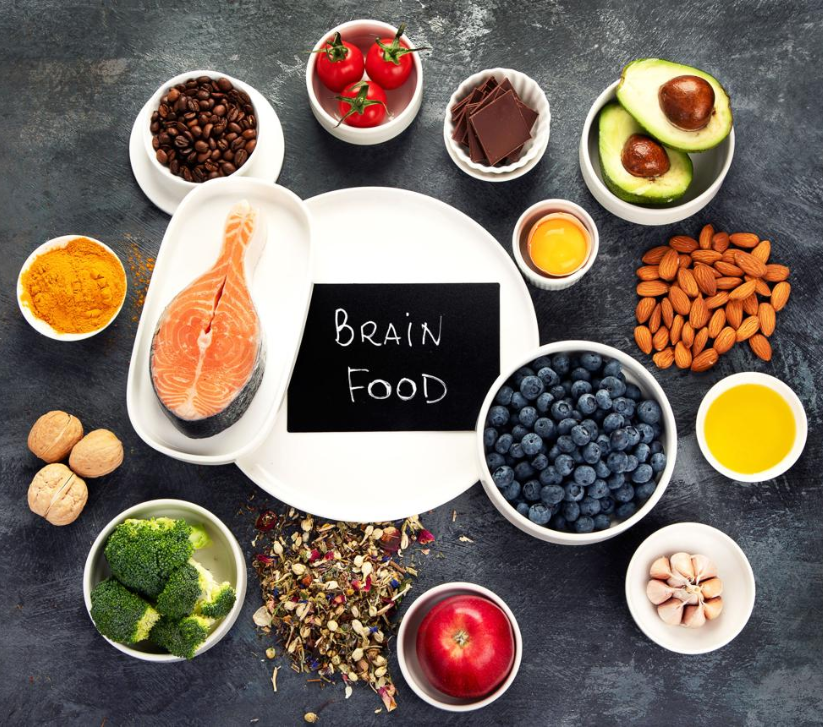
What if improving focus, memory, and mental clarity started with what’s on your plate?
The brain is one of the body’s most energy-demanding organs, and like every other organ, it depends on proper nutrition to function at its best. Certain foods provide nutrients linked to cognitive performance, memory support, and long-term brain health.
Incorporating these brain-supportive foods into your routine each week can be a simple yet effective way to nourish both body and mind.

1. Fatty Fish
Fatty fish such as salmon, sardines, and mackerel are among the most recommended foods for brain health.
They are rich in omega-3 fatty acids, particularly DHA, which is a structural component of the brain.
Potential benefits include:
- Supporting memory and learning
- Maintaining brain cell structure
- Reducing inflammation
Including fatty fish once or twice a week can contribute meaningfully to omega-3 intake.
2. Walnuts
Walnuts are often associated with brain health for good reason.
They provide:
- Omega-3 fats
- Antioxidants
- Vitamin E
- Polyphenols
These nutrients may help protect brain cells from oxidative stress and support cognitive performance.
A small handful of walnuts can be an easy addition to breakfast, snacks, or salads.
3. Berries
Berries such as blueberries and strawberries contain flavonoids and antioxidants linked to brain protection.
Research suggests they may help:
- Support memory
- Reduce oxidative stress
- Promote healthy aging of the brain
Fresh or frozen berries both provide nutritional benefits.
4. Eggs
Eggs are a valuable source of several nutrients important for brain function, including:
- Choline
- Vitamin B12
- Folate
- Protein
Choline in particular is involved in the production of acetylcholine, a neurotransmitter important for memory and mood.
5. Leafy Green Vegetables
Vegetables such as spinach, kale, and fenugreek leaves are rich in:
- Vitamin K
- Folate
- Lutein
- Beta-carotene
These nutrients are associated with cognitive support and may contribute to slower cognitive decline over time.
6. Turmeric
Turmeric contains curcumin, a compound studied for its anti-inflammatory and antioxidant properties.
Emerging research suggests curcumin may:
- Support memory
- Reduce inflammation in the brain
- Promote overall cognitive wellness
Including turmeric in curries, soups, or warm beverages can help increase intake.
7. Pumpkin Seeds
Pumpkin seeds provide several micronutrients important for brain health, including:
- Magnesium
- Zinc
- Iron
- Copper
These minerals contribute to nerve signaling, focus, and neurological function.
8. Dark Chocolate
Dark chocolate with high cocoa content contains flavonoids and antioxidants that may support brain function when consumed in moderation.
Potential benefits include:
- Improved blood flow to the brain
- Support for focus and alertness
- Antioxidant protection
Choose varieties with minimal added sugar.
Why Consistency Matters More Than “Superfoods”
No single food can transform brain health overnight.
The greatest benefit comes from:
- Regularly consuming nutrient-dense foods
- Maintaining overall dietary balance
- Supporting brain health through long-term habits
Think of these foods as part of a consistent pattern—not isolated solutions.
Final Thoughts
Brain health is influenced by daily choices, and nutrition is one of the most impactful.
By regularly including foods such as fatty fish, berries, nuts, leafy greens, eggs, and seeds, you can provide your brain with nutrients it needs to function optimally.
Small weekly choices can support:
- Better focus
- Improved memory
- Long-term cognitive wellness
Because feeding your brain well is an investment in every part of your life.