
Introduction
Carrots are one of the most commonly eaten vegetables in the world.
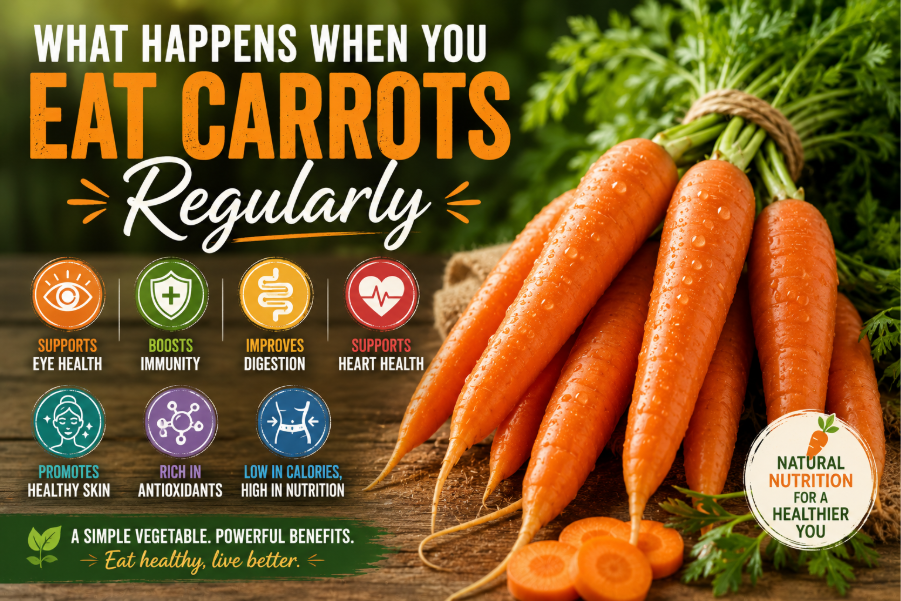
They are affordable, versatile, easy to include in meals, and naturally rich in important nutrients. While carrots are often associated only with eye health, their benefits go far beyond vision support.
Eating carrots regularly may help support:
- Eye health
- Digestion
- Heart health
- Immune function
- Skin health
- Overall nutrition balance
What makes carrots especially valuable is that they provide these benefits while being naturally low in calories and high in fiber.
Here’s what actually happens when carrots become a regular part of your diet.
Your Eyes Receive Important Nutrients
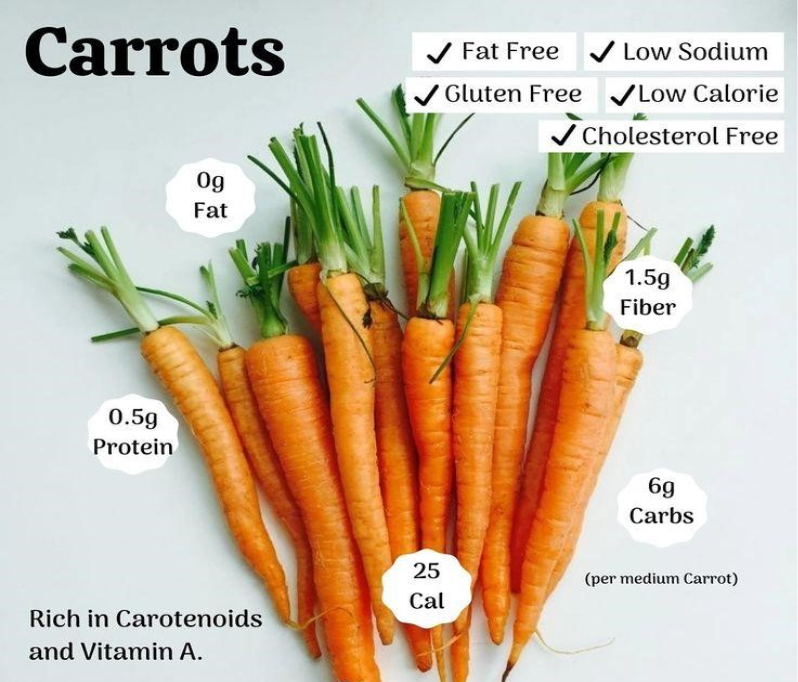
Carrots are rich in beta-carotene, a compound the body converts into vitamin A.
Vitamin A plays an important role in:
- Vision support
- Eye surface health
- Night vision maintenance
A deficiency in vitamin A can contribute to vision problems, especially in low-light conditions.
However, carrots do not give “super vision.” They simply help the body maintain healthy visual function when included as part of a balanced diet.
Your Immune System Gets Support
Vitamin A also supports immune function.
The body uses it to help maintain:
- Protective barriers in the skin and tissues
- Normal immune system activity
Carrots also contain antioxidants, which help protect cells from oxidative stress.
Digestion May Improve
Carrots contain dietary fiber, which supports healthy digestion.
Fiber helps:
- Support regular bowel movements
- Improve fullness after meals
- Support gut health
Eating fiber-rich vegetables regularly may also help reduce overeating by increasing satiety.
Your Heart Benefits Too
Carrots contain nutrients and plant compounds linked to heart health, including:
- Potassium
- Fiber
- Antioxidants
Potassium helps support healthy blood pressure regulation, while fiber may help support cholesterol management as part of an overall balanced diet.
Your Skin May Look Healthier
The antioxidants in carrots, especially beta-carotene, help protect cells from oxidative damage.
A balanced intake of antioxidant-rich foods may support:
- Skin appearance
- Skin repair processes
- Overall skin health
Some research also suggests carotenoid-rich foods may slightly influence natural skin tone and glow over time.
You Get Low-Calorie Nutrition
Carrots are nutrient-dense but relatively low in calories.
This makes them useful for:
- Healthy snacking
- Weight-management-focused diets
- Replacing ultra-processed snacks
They provide crunch and sweetness naturally without excessive added sugar or fat.
Antioxidants Help Protect Cells
Carrots contain several antioxidants, including:
- Beta-carotene
- Lutein
- Zeaxanthin
Antioxidants help protect cells from oxidative stress caused by unstable molecules called free radicals.
Oxidative stress is associated with aging and various chronic health conditions.
Raw vs Cooked Carrots
Both raw and cooked carrots offer benefits.
Raw Carrots
- Higher crunch and texture
- Great for fiber intake
- Convenient as snacks
Cooked Carrots
Cooking can increase the body’s ability to absorb beta-carotene more efficiently.
Pairing carrots with healthy fats like olive oil, nuts, or yogurt may also improve absorption of fat-soluble nutrients.
Can You Eat Too Many Carrots?
Carrots are healthy, but extremely excessive intake over long periods may lead to carotenemia, a harmless condition where the skin develops a slightly orange tone due to high beta-carotene intake.
This condition is generally not dangerous and usually improves when intake is reduced.
Moderation still matters—even with healthy foods.
Why Carrots Remain Popular Worldwide
Carrots continue to be one of the world’s most widely consumed vegetables because they are:
- Affordable
- Nutritious
- Easy to store
- Versatile in cooking
- Naturally flavorful
They fit easily into salads, soups, curries, snacks, juices, and roasted dishes across many cuisines.
Final Thoughts
Carrots are much more than a “vision food.”
Regular consumption may help support eye health, digestion, immunity, heart health, and overall nutrition while providing a simple, low-calorie source of important nutrients and antioxidants.
The benefits of carrots do not come from magic—they come from consistent, balanced nutrition over time.
Sometimes the simplest foods quietly support health in the biggest ways.