
Introduction
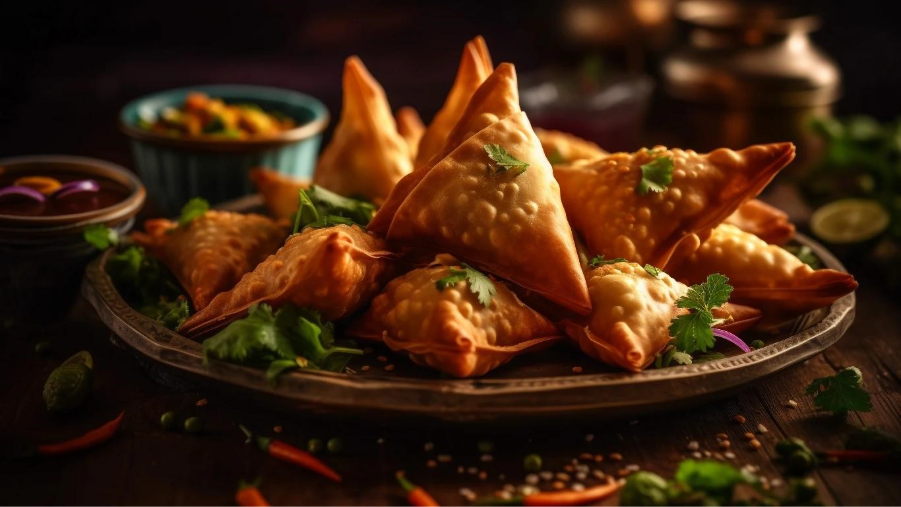
Crispy, golden, and filled with spiced goodness—the samosa is one of the most loved snacks across India and many parts of the world.
It is commonly associated with Indian street food, tea-time snacks, and festive gatherings. But surprisingly, the samosa did not originate in India.
Its story travels across regions, cultures, and centuries, evolving from a Middle Eastern delicacy into a global favorite.
This is the fascinating origin of the samosa.
Early Roots: The Middle Eastern Beginning
The samosa is believed to have originated in the Middle East and Central Asia, where it was known as “sambusak” or “sambosa.”
Historical references to similar pastries date back to medieval times. These early versions were:
- Smaller in size
- Filled with minced meat, nuts, or dried fruits
- Wrapped in thin dough and fried or baked
They were often served in royal courts and among travelers because they were easy to carry and store.
Arrival in the Indian Subcontinent
The samosa likely reached India between the 13th and 14th centuries through:
- Trade routes
- Migrating merchants
- Persian and Central Asian influences
Historical texts from the Delhi Sultanate period mention foods resembling samosas being served in royal kitchens.
One famous traveler, Ibn Battuta, described a dish filled with meat and spices that closely resembles the samosa we know today.
Transformation in India
Once introduced to the Indian subcontinent, the samosa underwent a major transformation.
Indian cooks adapted the recipe based on:
- Local ingredients
- Regional tastes
- Vegetarian preferences
One of the most significant changes was the introduction of the potato filling.
Potatoes were brought to India by European traders (especially the Portuguese) much later. Over time, they became the most common filling for samosas.
The filling evolved to include:
- Boiled potatoes
- Peas
- Spices like cumin, coriander, and garam masala
- Green chilies and herbs
This version became the standard Indian samosa.
Why the Samosa Became So Popular
The samosa gained widespread popularity because it is:
- Affordable
- Easy to prepare in large quantities
- Highly flavorful
- Portable and convenient
- Suitable for both vegetarian and non-vegetarian diets
It also pairs perfectly with tea, making it a staple snack in daily life.
Regional Variations
As samosas spread across regions, they adapted in shape, size, and filling.
Examples include:
- Punjabi samosa (larger, spicy potato filling)
- Bengali shingara (slightly smaller, different spice profile)
- Middle Eastern sambusak (meat or cheese filling)
- Central Asian versions with minced meat
Each variation reflects local culture while maintaining the core concept.
From Royal Snack to Street Food
Originally served in royal courts, the samosa gradually became accessible to the general population.
Street vendors played a major role in this transition.
Today, samosas are:
- Sold in roadside stalls
- Served in restaurants
- Packed as snacks
- Included in celebrations
It has moved from elite kitchens to everyday life.
Global Spread
The samosa is now a global snack.
It is popular in:
- South Asia
- The Middle East
- Africa
- The United Kingdom
- North America
In many places, it has been adapted with new fillings and fusion styles.
Origin of the Word “Samosa”
The word “samosa” has its origins in the Persian language, and its evolution reflects the journey of the dish across regions and cultures.
The term is believed to be derived from:
👉 “Sambusak” (also written as sambosa or sanbosag)
This word was used in medieval Middle Eastern and Central Asian regions to describe a small, stuffed pastry.
How the Word Evolved
As the dish traveled, the name adapted across regions:
- Persian: Sambusak / Sanbosag
- Arabic regions: Sambusak
- Central Asia: Samsa
- Indian subcontinent: Samosa
Over time, pronunciation and spelling changed based on regional languages.
Meaning Behind the Name
The original term referred to:
- A stuffed pastry
- A folded or triangular shape
- A portable food item
While the exact literal meaning is debated, the usage remained consistent across cultures.
Final Thoughts
The samosa is more than just a snack.
It is a result of centuries of cultural exchange, trade, and culinary adaptation.
From Middle Eastern origins to Indian streets and global menus, its journey reflects how food evolves across borders.
The next time you enjoy a samosa, you are tasting a piece of history shaped by many cultures.